Introduction To Brain Tumours: Awareness and Action

Facing the prospect of brain tumours in Brisbane, QLD, can feel overwhelming, whether you are an adult patient or a carer seeking answers for someone you love. At Queensland Neurosurgery & Spine Surgery, we recognise how crucial it is to offer clarity, reassurance, and expert information tailored to your needs. Understanding what a brain tumour is, the warning signs to look out for, and how specialist diagnosis unfolds can empower you to make informed decisions during uncertain times.
Types Of Brain Tumours: Benign and Malignant Differences
When considering brain growths, it is important to understand that they come in several types, which are generally categorised as benign or malignant. Benign tumours are non-cancerous. They tend to grow slowly and often do not invade surrounding tissue, but their presence can still impact brain function depending on their size and location. Malignant tumours, on the other hand, consist of cancerous cells. These can grow rapidly and invade nearby areas, leading to more aggressive symptoms and health risks.
The variety of cerebral tumours includes both primary types, which originate within the brain, and secondary types, which develop from cancer elsewhere in the body. The distinction between benign and malignant is central, as it guides treatment choices and recovery outlooks. For both types, a responsible, evidence-based approach, supported by decades of neurosurgical expertise, is crucial in planning the next steps.
Recognising Symptoms and Early Warning Signs
Symptoms of a brain tumour can be wide-ranging, reflecting where the tumour is located and the structures it may be affecting. Knowing what to watch for helps patients and carers act quickly should changes arise.
The warning signs of brain tumours include the following:
- Persistent headaches, especially those that are worse in the morning or with exertion.
- Unexplained nausea or vomiting.
- Changes in vision or hearing (such as blurred vision or ringing in the ears).
- Difficulty with balance or coordination.
- Seizures, often appearing for the first time in adults.
- Personality or mood changes.
- Memory difficulties or confusion.
- Weakness or numbness in limbs.
While these symptoms do not necessarily mean a person has a brain tumour, they are important signals to notice. If you or someone in your care is encountering these symptoms, it is wise to seek prompt neurological input. Early action allows for assessment with an experienced, patient-centred clinical team.
The Importance of Early Diagnosis and Specialist Imaging
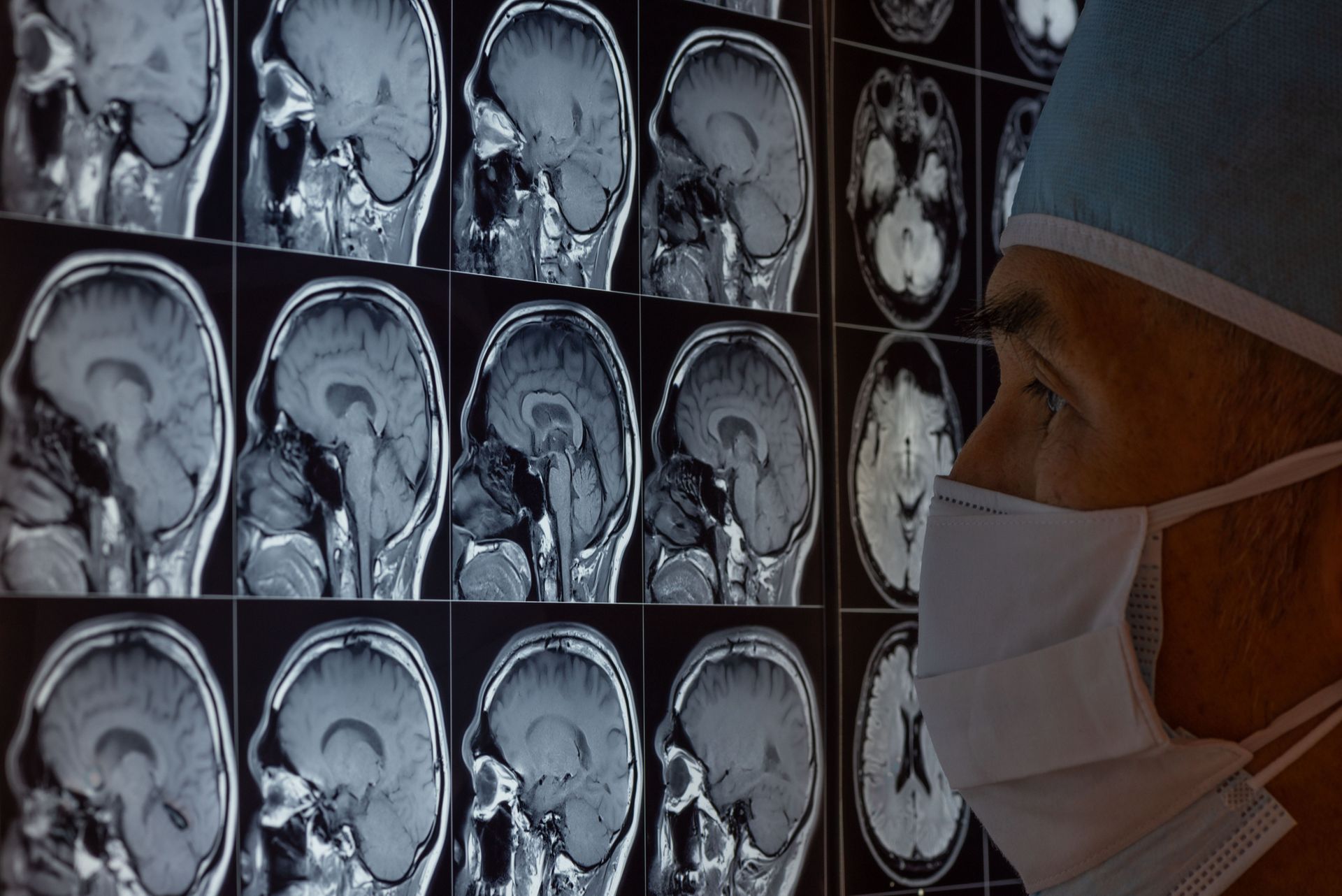
Early and accurate diagnosis is key when dealing with cerebral tumours. This process starts with an evaluation by an Australian-trained neurosurgeon, who listens carefully to your concerns and conducts a thorough neurological examination. Imaging is an essential step in determining the nature of the tumour.
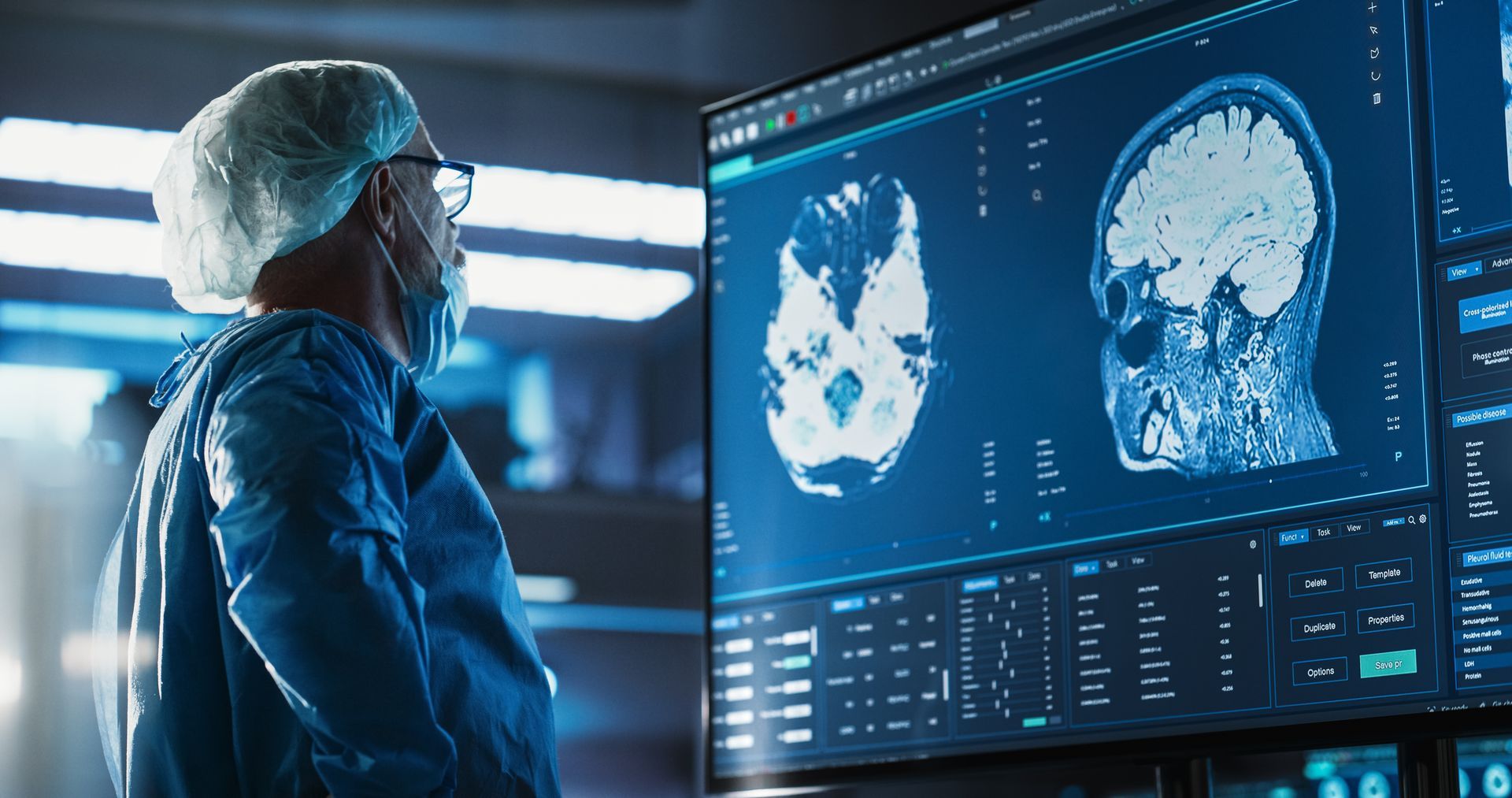
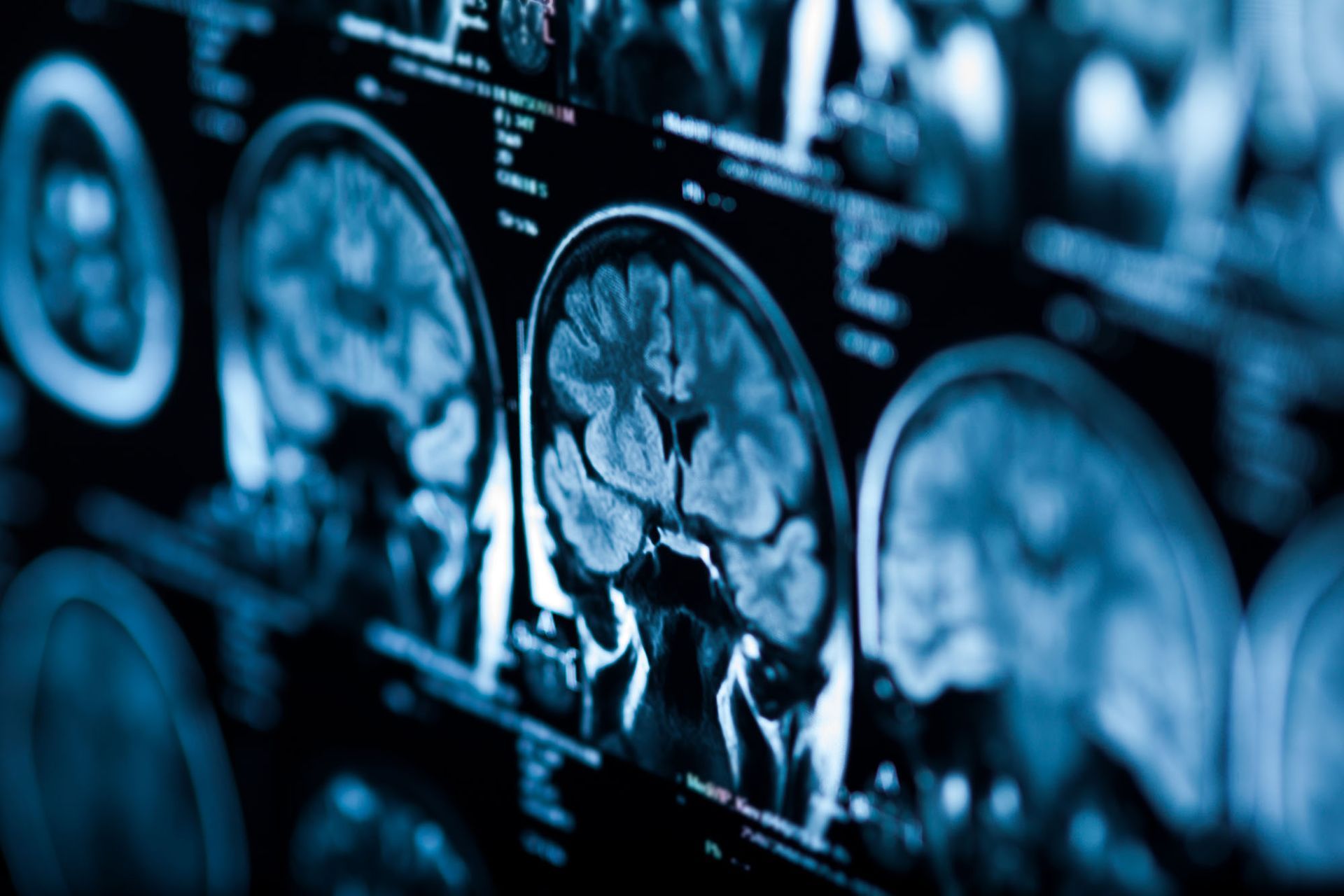
Magnetic Resonance Imaging (MRI) is regarded as one of the most advanced techniques for visualising brain anatomy and identifying tumours and their characteristics. MRI can reveal the location, size, and probable type of brain tumours, offering detail without exposure to ionising radiation.
Computerised Tomography (CT scans) is another imaging method often used in urgent situations to rule out bleeding, swelling, or other acute findings. Though less detailed than MRI for soft tissue, CT scans are fast and effective for certain scenarios.
With these imaging techniques, your neurosurgical team can develop a responsible, evidence-based plan for intervention, ensuring clarity throughout the process. Transparent communication regarding the findings and next steps is vital for easing uncertainty.
Holistic, Patient-Centred Care for Brain Tumour Management
Queensland Neurosurgery & Spine Surgery places strong emphasis on holistic, patient-centred care. Patients and carers benefit from continuity with the same specialist, personalised guidance and practical information at every stage. The care team provides clarity about complex conditions, offers reassurance regarding quality of life and aftercare, and ensures every intervention is grounded in responsible clinical standards rather than unnecessary procedures.
The process does not end with diagnosis. Follow-up is carefully planned, with regular check-ins, transparent updates about recovery, and support for navigating any persistent questions or concerns about brain tumours. By blending advanced technology and expert medical input, patients receive guidance that is precise, compassionate, and respectful of their individual circumstances.
Navigating Medical Uncertainty and Differing Opinions
When faced with a brain tumour diagnosis, it is common to feel anxious about what lies ahead, especially if opinions from different medical professionals vary. You may encounter a range of recommendations about intervention, from immediate surgery to watchful waiting. This uncertainty can be unsettling, and finding a clear, responsible path forward depends on open dialogue and trust in your specialist team.
At Queensland Neurosurgery & Spine Surgery, transparent communication is a priority. You are encouraged to ask questions, seek clarification about each option, and understand the rationale behind every recommendation. The team’s commitment to evidence-based intervention means that all advice is grounded in careful consideration of your diagnosis, imaging results, and unique circumstances. Personalised guidance helps ensure decisions are made with your quality of life in mind, without pressure for unnecessary procedures or haste. This process not only supports your confidence but also builds trust, essential qualities when navigating complex neurological care, like with brain tumours.
By partnering with experienced neurosurgeons and staying informed throughout each step, you gain reassurance during times of uncertainty and know you are moving forward with credible, patient-centred expertise.
Taking the Next Step With Specialist Guidance Today
If you are concerned about brain tumours, Queensland Neurosurgery & Spine Surgery offers expert consultation and support, highlighting compassionate, evidence-led intervention for adults and carers. For clarity on symptoms, specialist diagnosis, and a personalised care pathway,
contact. Your peace of mind, safety, and well-being are our ongoing priorities.